Why New Cars Have CarPlay and So Many Older Ones Still Don’t
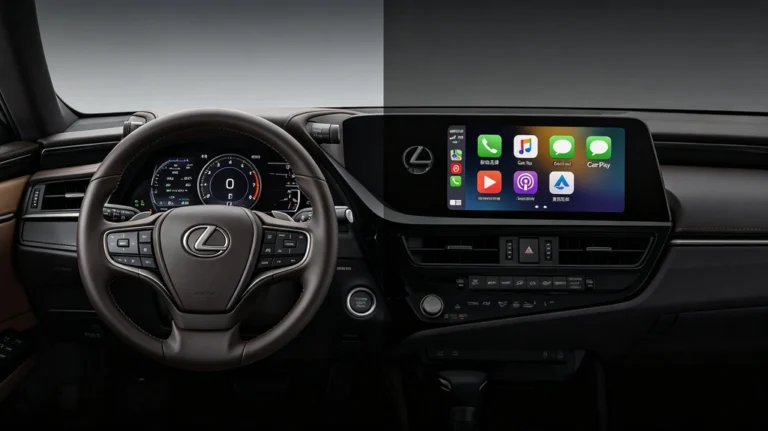
Two numbers, side by side, tell a story that’s easy to miss if you only read headlines about new-car tech: 88% of 2025 model-year vehicles ship with Apple CarPlay standard, but according to Edison Research’s Infinite Dial study, only around 40% of Americans who’ve driven in the past month actually have CarPlay or Android Auto in their primary vehicle — up from just 26% in 2023. If nearly 9 in 10 new cars have it, why does fewer than half the driving population actually get to use it?
The Gap Isn’t a Mystery — It’s Fleet Turnover
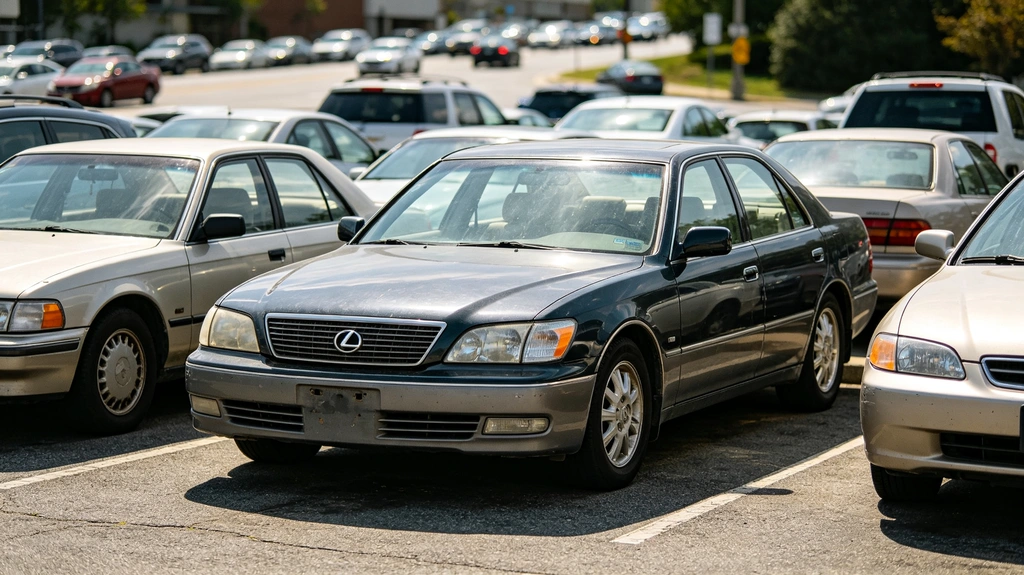
The honest answer is simple: a “new car standard” statistic describes what’s rolling off the assembly line today, not what’s already on the road. The average car in the US is well over a decade old, and the used-car market runs even older than that. CarPlay itself only launched in 2014, and it took years after that before it became close to universal on new trims. That means a huge share of vehicles currently being driven — including most of the Toyota and Lexus fleet from the 2012–2019 era — were built and sold years before “standard CarPlay” was even a realistic expectation.
New-car adoption statistics climb fast because every model year adds more CarPlay-equipped vehicles to the pool. But the installed base — the actual cars people are driving today — only catches up as older vehicles get scrapped or traded in, which happens on a timeline measured in years, not model-year cycles.
Why the 40% Number Matters More Than the 88% Number
If you’re shopping for a new car, the 88% figure is genuinely useful — it tells you CarPlay is close to a given on nearly anything you’d walk onto a lot and buy today. But if you’re not shopping for a new car, that statistic says nothing about your actual vehicle. The 40% figure is the one that matters, because it’s the number that includes you.
Framed differently: roughly 6 out of 10 drivers on the road today still don’t have CarPlay or Android Auto in the car they actually drive. That’s not a fringe group — it’s the majority of drivers, and it includes a lot of owners of otherwise perfectly reliable, well-maintained vehicles that simply predate the feature.
Usage Data Confirms This Isn’t a “Nice to Have”
It’s worth noting that among drivers who do have access to CarPlay or Android Auto, Edison’s research found 83% actively use it — this isn’t a feature people have and ignore. When it’s available, people use it, consistently. That usage rate, combined with AutoPacific’s 2026 finding that wireless CarPlay now ranks as a near-must-have feature second only to all-wheel drive among new-car shoppers, paints a consistent picture: this has moved well past “nice to have” for most drivers, whether they’re buying new or simply driving what they already own.
Closing the Gap Without Waiting for a Trade-In
Here’s the actual takeaway: the 88%-vs-40% gap isn’t a sign that your older car is falling behind in some permanent sense — it’s a sign that the feature simply arrived on the market after your car did. That’s a solvable timing problem, not a reason to trade in a car that otherwise still works fine.
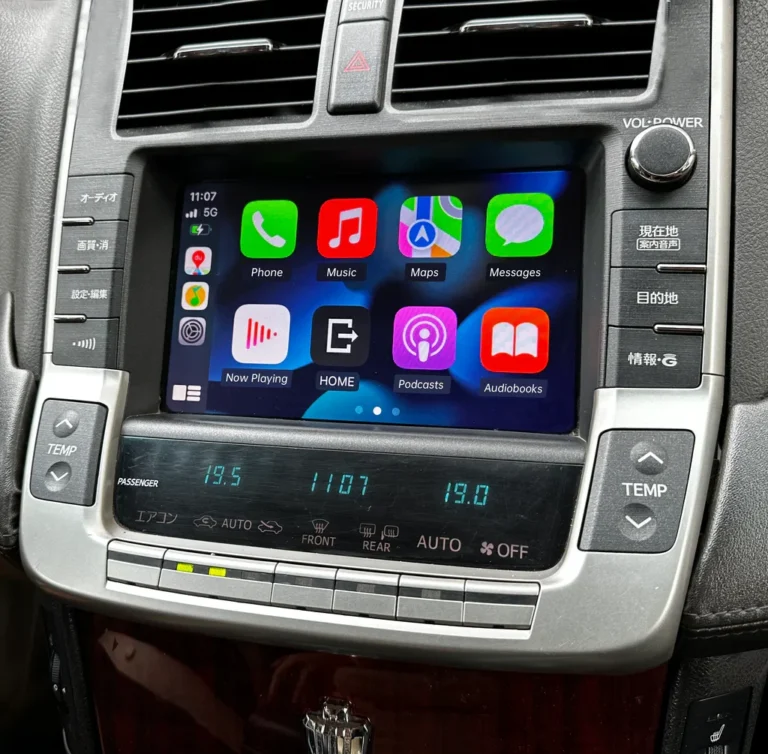
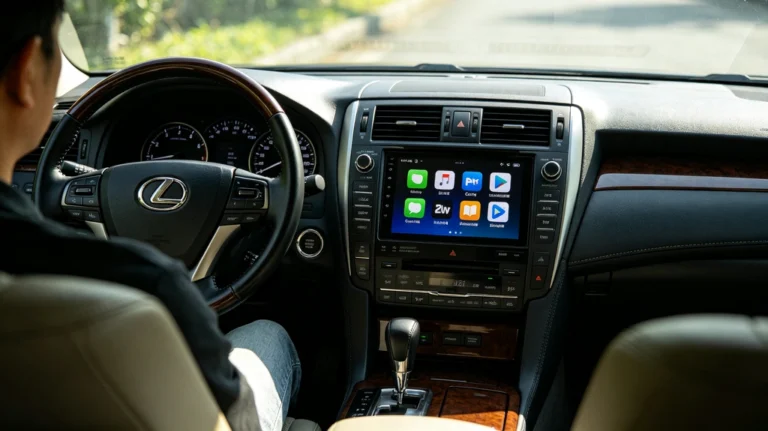
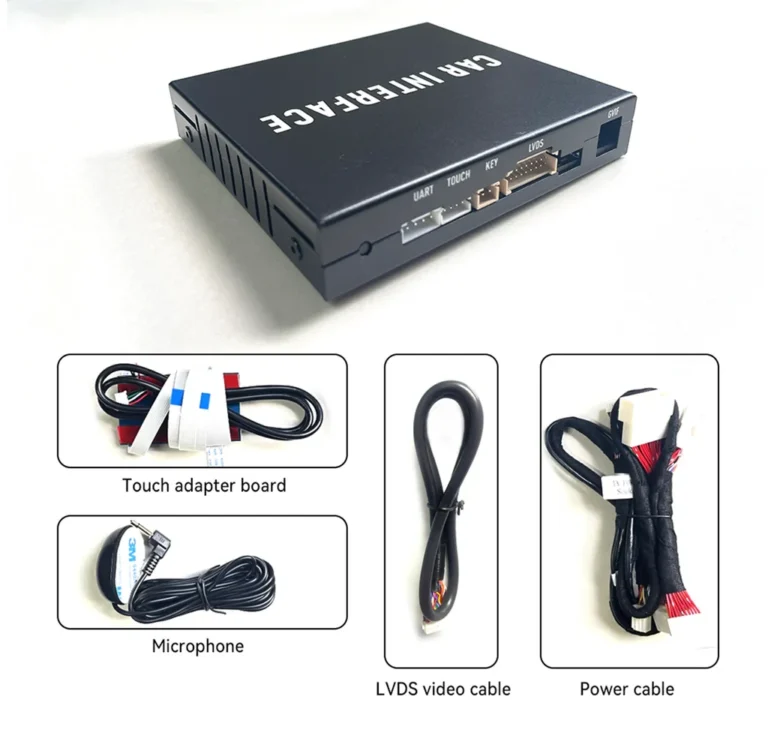
For Toyota and Lexus owners specifically, an AUVETO Smart Integration Kit adds wireless CarPlay and Android Auto directly to your existing factory screen, closing that gap without the cost — or the compromise — of buying something newer just to get a feature that’s now considered standard.