Apple’s Next-Gen CarPlay Takes Over the Whole Dashboard — Here’s Why That Doesn’t Affect Your Older Car
Apple’s next-generation CarPlay, officially called CarPlay Ultra, is a genuinely impressive leap: instead of just mirroring apps onto your center touchscreen, it takes over your entire digital cockpit — speedometer, fuel gauge, climate controls, drive mode settings, all rendered through an Apple-designed interface. It’s a real shift from “phone projection” toward something closer to a full vehicle operating system. But if you’re driving an older Toyota or Lexus and wondering whether you should “get ahead of it” somehow, the honest answer is: there’s nothing to get ahead of, and here’s why.
What CarPlay Ultra Actually Does
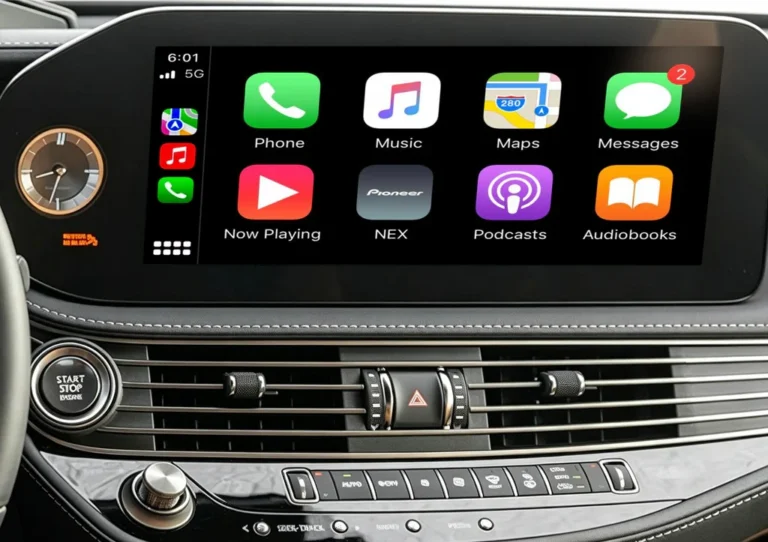
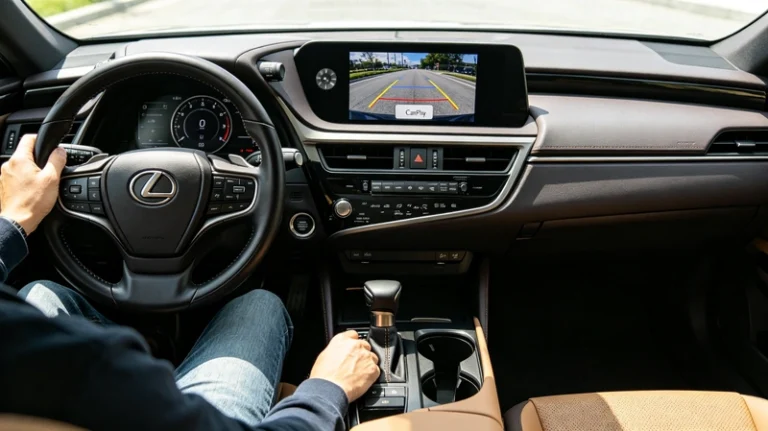
Standard CarPlay, the version that’s been around since 2014, mirrors your iPhone’s apps onto your car’s center screen — navigation, music, messages — while everything else (your speedometer, climate controls, drive settings) stays on the car’s own native system.
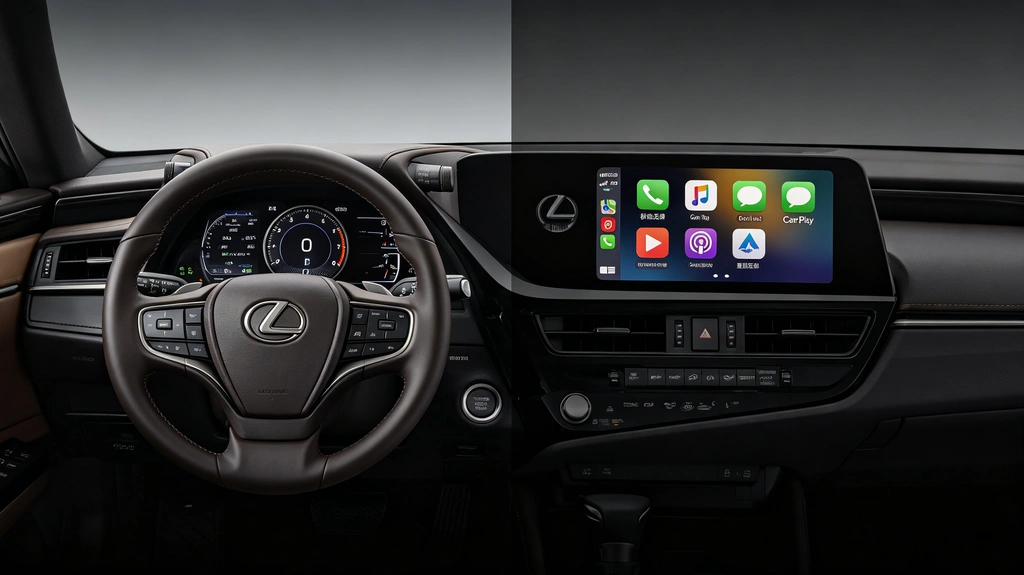
CarPlay Ultra changes that relationship entirely. It extends across every screen in the cabin, including the instrument cluster behind the steering wheel. Your speedometer and gauges can be redesigned through Apple’s interface. Apple Maps can appear directly in your driver’s display. You can adjust climate and drive modes without leaving the CarPlay environment at all.
Who Actually Has It Right Now
This is the part that matters most: as of mid-2026, CarPlay Ultra is available on exactly one brand’s production vehicles — Aston Martin, across the DB12, DBX, and Vanquish. That’s it. Hyundai, Kia, and Genesis have committed to adding it later in 2026, likely starting with a single flagship model, and Porsche has begun limited rollout on select models.
Just as notable is who’s opted out. Mercedes-Benz, Audi, BMW, Volvo, Polestar, and Renault were all named in Apple’s original 2022 announcement of the technology — and have since stepped back from bringing it to market. Reporting on the reasons points to something straightforward: giving Apple control over the entire dashboard means giving up brand identity, driver-data collection, and potential subscription revenue that automakers increasingly want to keep for themselves.
Toyota and Lexus aren’t on the committed list at all.
Why “Getting Ahead of It” Isn’t Actually a Thing
Here’s the part that makes this fundamentally different from the usual “new tech is coming, don’t get left behind” narrative: CarPlay Ultra isn’t a software update that eventually reaches older hardware. It requires a vehicle built from the factory with specific high-bandwidth hardware designed to hand instrument-cluster rendering over to an iPhone — this is deep co-engineering between Apple and a specific automaker on a specific vehicle platform, not something that can be added after the fact, on any car, by anyone.
In practical terms: a 2012 Camry will never get CarPlay Ultra. Neither will a 2026 Camry, unless Toyota specifically signs on and builds a future platform around it — which, as of now, it hasn’t. There’s no “preparing early” scenario here, because there’s no version of this feature that trickles down to existing vehicles the way, say, a phone’s software update does.
Standard CarPlay Isn’t Going Anywhere
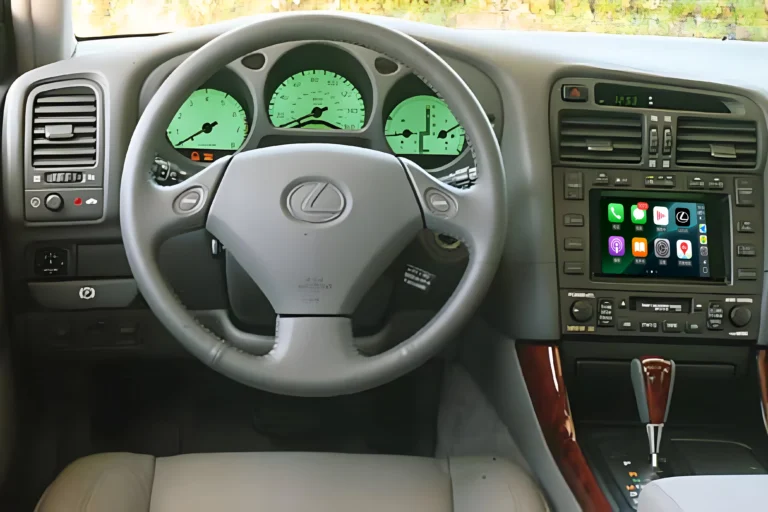
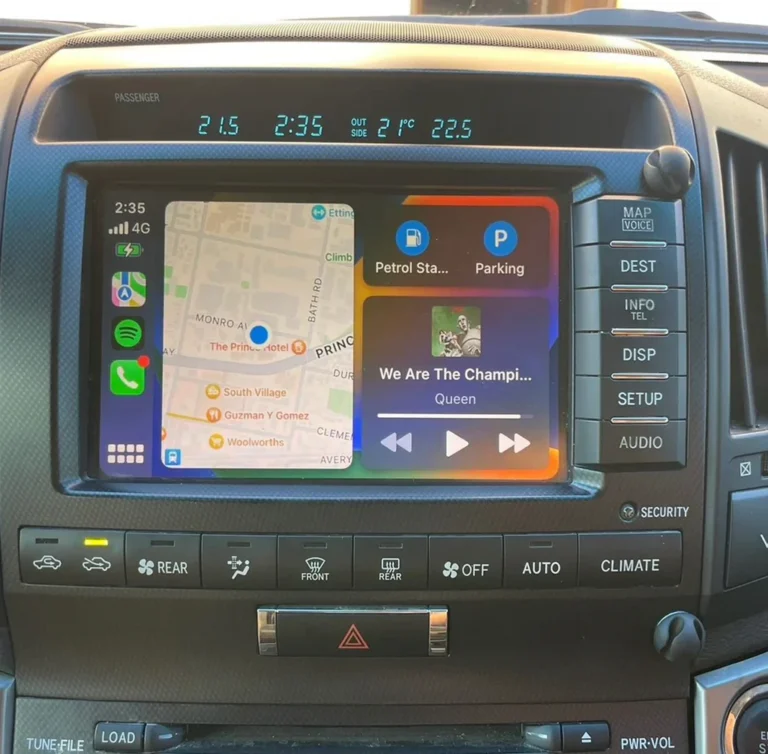
This is the reassuring part: CarPlay Ultra doesn’t replace standard CarPlay — it exists alongside it, as a premium tier for automakers willing to hand over that much control. The vast majority of new vehicles shipping in 2026, and effectively all vehicles already on the road, run standard CarPlay — the exact same screen-mirroring experience that’s been reliable and widely supported since 2014, and the same experience an AUVETO integration kit adds to an older Toyota or Lexus.
There’s no reason to wait, and nothing coming that would make retrofitting standard CarPlay today a worse decision tomorrow. Ultra is a separate, much narrower story playing out on a handful of luxury nameplates — not a preview of what’s coming for the rest of the market.
The Real Move: Solve What’s Actually Missing, Now
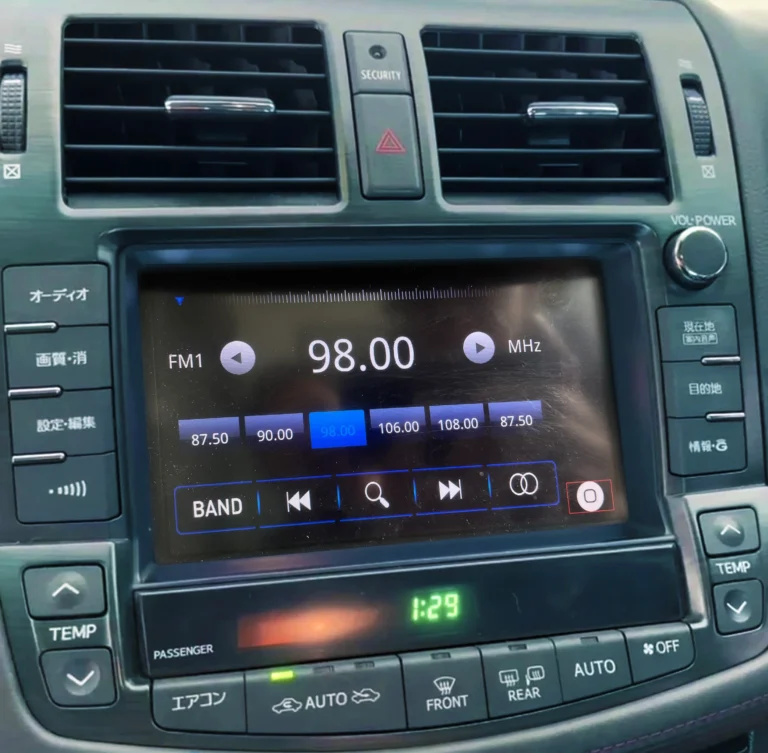
If your older Toyota or Lexus doesn’t have CarPlay at all, the practical gap isn’t “will I miss out on instrument-cluster integration someday” — it’s “I don’t have basic navigation and music integration today, on a car I’m driving right now.” That’s the gap worth closing, and it’s one an AUVETO Smart Integration Kit solves directly: wireless CarPlay and Android Auto on your existing factory screen, with no need to wait for a feature that was never going to reach your vehicle in the first place.
Want to check if your specific model is supported? Send a photo of your center console to auveto@gmail.com or message us on WhatsApp for a free compatibility check.