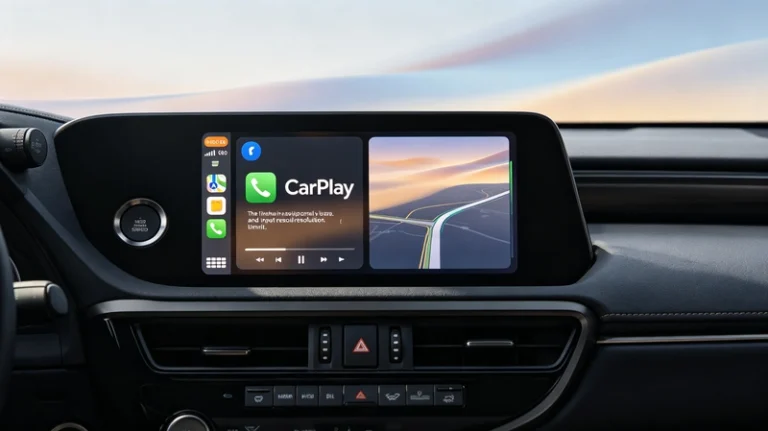
2026 Wireless CarPlay Adapter Review Roundup
Wireless CarPlay reviews have gotten a lot more rigorous over the past year. Channels like CarPlayLife now run dedicated multi-user switching tests and thermal readings on every adapter, while independent testers like CarXplorer have published full 90-day methodology write-ups — logging connection speed across 100+ ignition cycles, testing Wi-Fi stability in dense parking-lot interference, and comparing audio quality directly against a wired baseline. This is a genuinely useful shift, because it moves the conversation away from marketing copy and toward data anyone can scrutinize.
It’s worth being precise about what these reviews are actually testing before drawing conclusions from them: they’re evaluating wireless adapters — small dongles that convert a car’s existing wired CarPlay port to wireless. That’s a different product category from a vehicle-specific integration module, which adds CarPlay to a car that has no CarPlay support at all. But the testing data from this space reveals an engineering pattern worth understanding, because it applies just as directly to the integration-module category.
What Rigorous Testing Actually Exposes
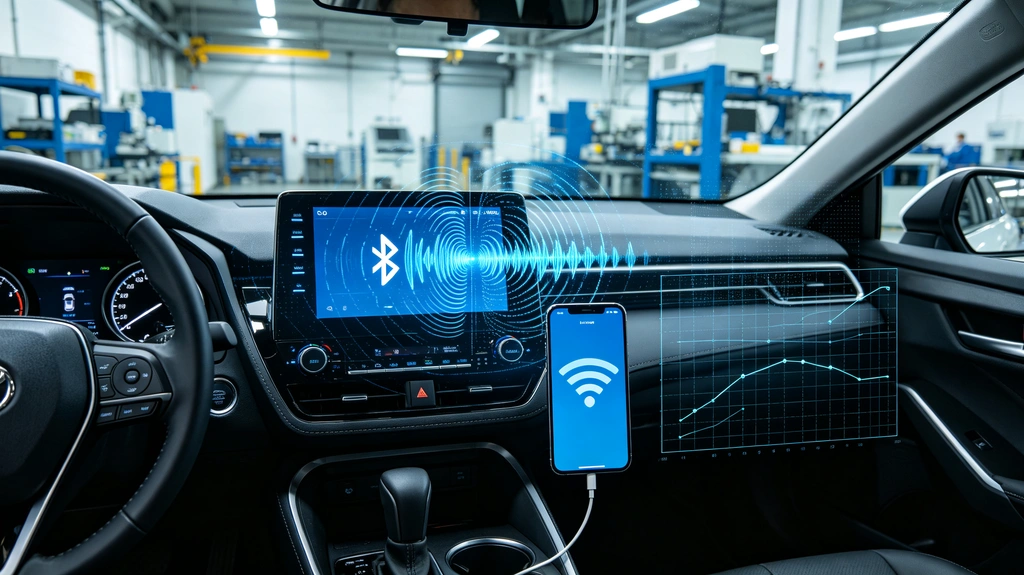
Reading through recent CarPlayLife comparison testing, a consistent pattern shows up across “universal” adapters — products designed to work across a huge range of unrelated vehicles and head units:
- Protocol emulation degrades image quality. In one head-to-head comparison, a finalist adapter was eliminated specifically because its approach to emulating the CarPlay protocol produced noticeably softer, blurrier output than competitors using a more direct approach.
- Multi-device handling is inconsistent. In a separate review, a tested adapter failed to automatically switch between an Android phone and an iPhone, requiring the driver to manually dig into Bluetooth settings each time — the kind of friction that doesn’t show up in a spec sheet but shows up constantly in daily use.
- Thermal and stability trade-offs are common. Devices in this category regularly showed measurable heat buildup during extended testing, along with inconsistent platform-switching speeds between otherwise similar-looking products.
None of this means these products are badly made — several tested well overall. The pattern is more specific than that: when a single piece of hardware has to work across dozens of unrelated vehicles, phones, and head unit configurations, something almost always gets compromised to make that universality possible.
Why This Same Logic Applies to CarPlay Integration Kits
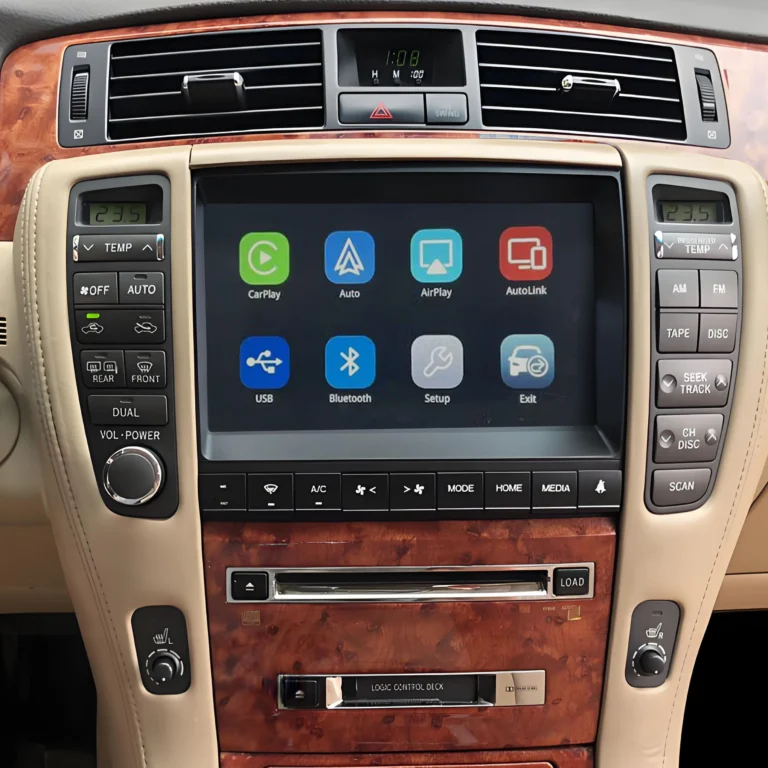
This is exactly the trade-off we’ve written about before when comparing generic decoder boxes to vehicle-specific integration kits for older cars with no CarPlay at all. A budget decoder box aims to cover a dozen or more unrelated Toyota trims with one SKU — which is a very similar engineering challenge to a universal wireless adapter trying to cover dozens of unrelated vehicles. The failure modes tend to rhyme: resolution caps that only affect certain screen configurations, compatibility exclusions buried in the fine print, and inconsistent performance that varies more by which specific car you happen to own than the product description would suggest.
A vehicle-specific module sidesteps this problem the same way a purpose-built adapter would: instead of one piece of hardware trying to be compatible with everything, the hardware and firmware are matched to one specific factory system from the start. There’s no protocol emulation layer trying to paper over dozens of different head unit behaviors, because there’s only one head unit it needs to talk to.
What Good Testing Methodology Actually Tells You to Look For
Borrowing from the kind of rigorous, reproducible methodology outlets like CarXplorer use — connection speed across many ignition cycles, stability under real-world interference, audio quality compared directly to a baseline, and long-term testing rather than a single first impression — a few questions are worth asking about any CarPlay solution, generic or vehicle-specific:
- How was compatibility actually verified — against a broad spec sheet, or against your specific vehicle?
- Is there a dedicated wireless module, or is the connection riding on infrastructure (like a phone’s Bluetooth stack) that’s also handling other tasks?
- What happens to image and audio quality once the signal goes through whatever translation layer sits between your phone and your screen?
- Is there an actual long-term track record, or just a first-impressions review?
Where AUVETO Fits This Pattern
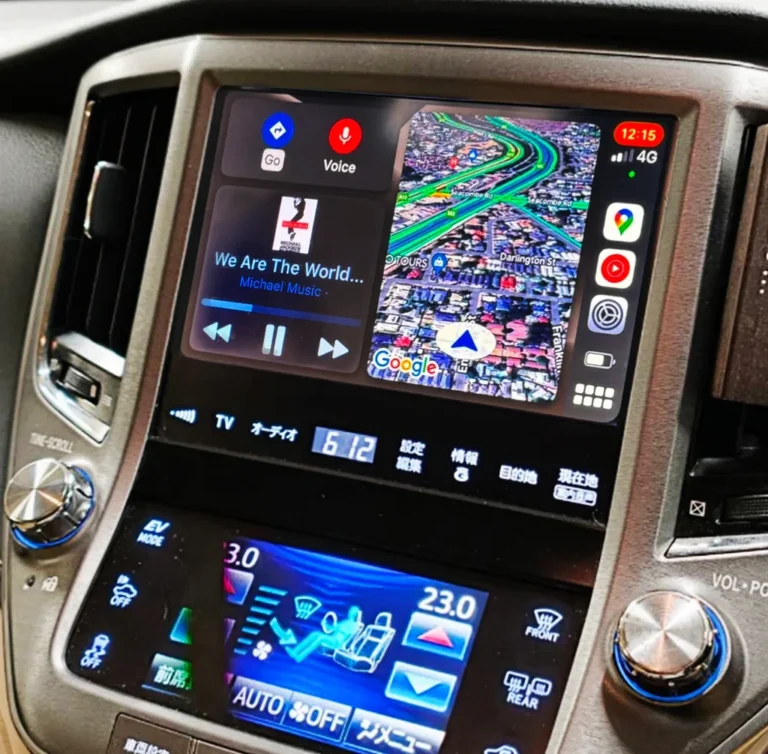
AUVETO’s Smart Integration Kits are built around the same principle the best-tested products in this space consistently reward: no generic protocol emulation trying to cover unrelated vehicles, no universal hardware making silent trade-offs to fit a broad SKU. Each kit is matched to a specific Toyota or Lexus model and screen configuration, verified by photo before you order, with a dedicated Bluetooth and 5GHz Wi-Fi module rather than hardware stretched thin across dozens of different cars.
Want to know if your specific model qualifies? Send a photo of your center console to auveto@gmail.com or message us on WhatsApp for a free compatibility check.