Siri vs. Gemini: Which In-Car Voice Assistant Wins in 2026?
If your car’s voice assistant feels a little different lately, that’s not in your head. 2026 is being called the biggest Android Auto update in its ten-year history, and Apple’s side of the dashboard is quietly going through its own transition too. Both platforms are pushing toward “smarter,” but they’re taking different paths to get there — and each comes with its own trade-offs.
🚀 Android Auto: More Than a Voice Assistant Upgrade — A Full Platform Overhaul
The scale of this year’s Android Auto update is genuinely significant. Google itself describes it as the platform’s biggest leap in a decade, and the headline changes include:
- YouTube video playback — watch videos on the dashboard while parked or charging, with an automatic switch to audio-only the moment the car shifts into drive, rather than a hard cutoff
- Material 3 Expressive redesign — a new visual language built to adapt to any screen shape, from ultrawide displays to circular clusters, plus home-screen widgets for weather, favorite contacts, and one-tap garage door control
- Immersive 3D navigation — Google Maps’ biggest update in over a decade, now showing lane-level detail, traffic lights, and 3D buildings
- FM radio integration — letting drivers access radio stations without leaving the Android Auto interface, a feature that’s been delayed more than once and is only now showing real progress
- A light theme — in development since 2023, and finally approaching an actual release
But the change underpinning all of it is that Gemini has now replaced Google Assistant as Android Auto’s default voice assistant.
🧠 What Gemini Actually Does Better
Where Google Assistant often “heard the words but missed the meaning,” Gemini’s biggest leap is genuine contextual understanding. A few concrete examples:
- If someone texts asking for your address, Gemini can pull the relevant detail from your messages, calendar, or email and draft a quick reply for you
- You can ask “find a coffee shop on my route,” then follow up with “how late is the second one open?” without repeating yourself — Gemini retains the context
- In the US, Gemini can complete tasks like ordering food through apps like DoorDash
- On vehicles with deeper Android Automotive integration, Gemini can even interpret dashboard warning lights or use onboard cameras to judge whether something will fit in the trunk
This isn’t an incremental improvement — it’s a genuine jump in what a voice assistant can actually do behind the wheel.
⚠️ But the Transition Hasn’t Been Entirely Smooth
New capability tends to come with growing pains, and this rollout is no exception. During the shift from Google Assistant to Gemini, a number of users have reported voice commands becoming noticeably less reliable, with the severity varying by region and device. In short: Gemini is smarter, but it hasn’t quite reached “rock solid” yet.
🍎 Apple’s Approach: Steadier, Less Ambitious
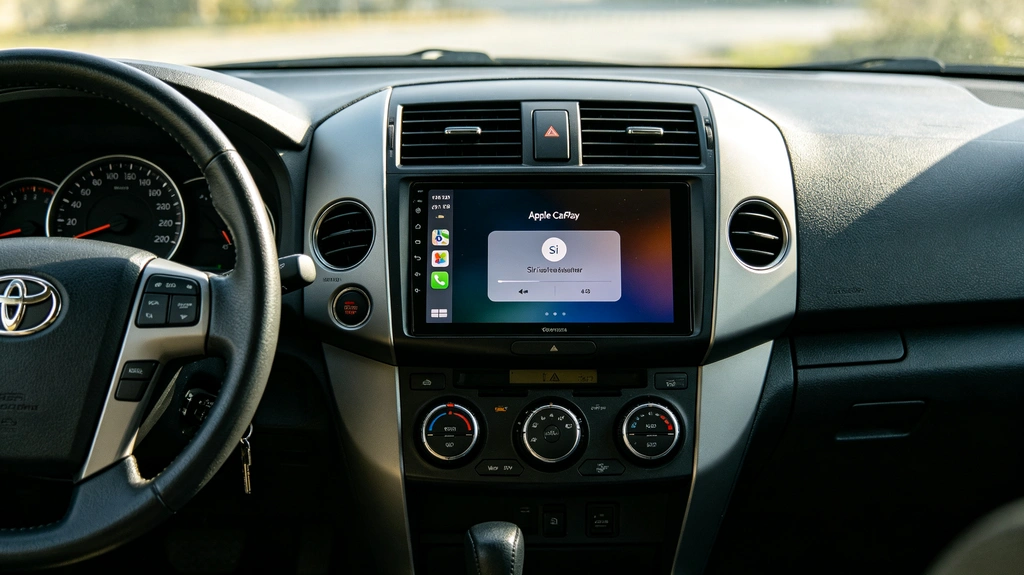
Apple is taking a different route entirely. iOS 26.4 opened CarPlay up to third-party AI apps, including ChatGPT, Google Gemini, and even Claude — but under strict limits: voice-only interaction, no vehicle control, and no rich visual content. In practice, Siri still owns the core system tasks (navigation, calls, messages), while third-party AI apps function as a separate conversational layer alongside it, not a replacement.
Multiple 2026 real-world tests have landed on a fairly consistent conclusion: on pure reliability, Siri still wins that specific category. It handles clear, single-step commands — “navigate to [address],” “play my workout playlist,” “call Dad” — dependably. Where it falls behind is anything requiring context retention or chained, multi-step requests. Even the next-generation Siri in the iOS 27 beta was observed stumbling on directional questions like distinguishing east from west during testing.
📊 The Trade-Off at a Glance
| Siri (CarPlay) | Gemini (Android Auto) | |
|---|---|---|
| Reliability on single, clear commands | ✅ Stronger | Occasionally inconsistent during transition |
| Contextual / multi-turn understanding | Weaker | ✅ Noticeably stronger |
| Cross-app task handling (food orders, warning lights, etc.) | Limited | ✅ Supported |
| Third-party AI access | ✅ Optional ChatGPT/Gemini/Claude (restricted) | Deeply native |
| Visual & entertainment updates | Comparatively conservative | ✅ YouTube, 3D maps, light theme, and more |
So Which One Should You Actually Want?
This isn’t really a “which is better” question — it’s a “what do you value more” one:
- If dependable, predictable responses to clear commands matter most to you, and you don’t want to gamble on whether the assistant understands a directional question, CarPlay with Siri is still the steadier choice.
- If you want an assistant that remembers context and can actually handle small tasks for you, and you’re fine with the occasional rough patch during rollout, Android Auto with Gemini has a noticeably higher ceiling.
What This Means If You’re Driving an Older Toyota or Lexus
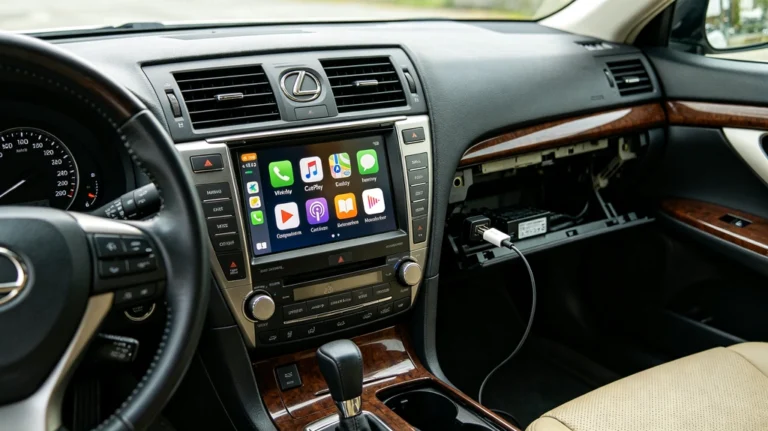
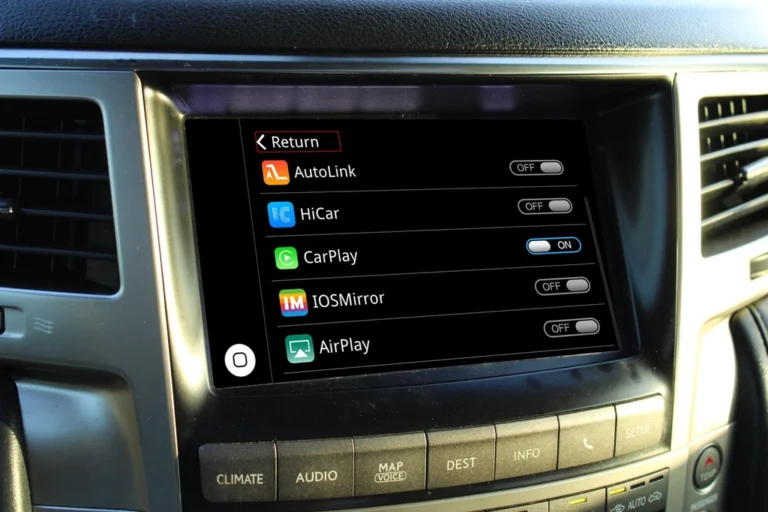
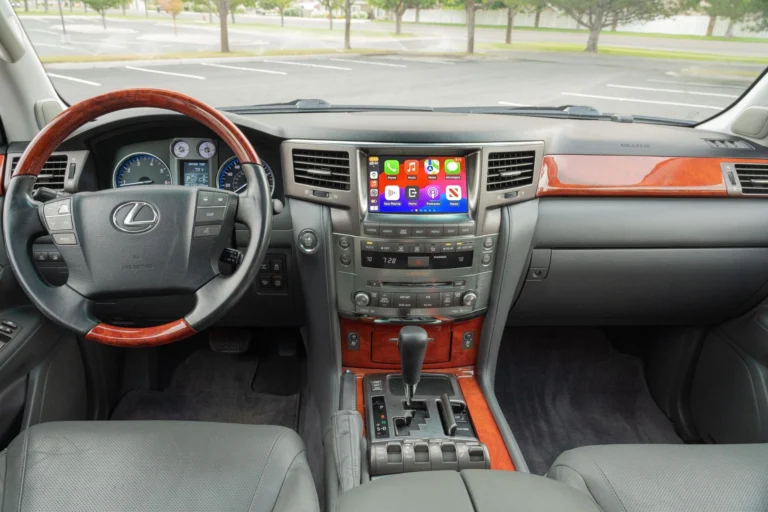
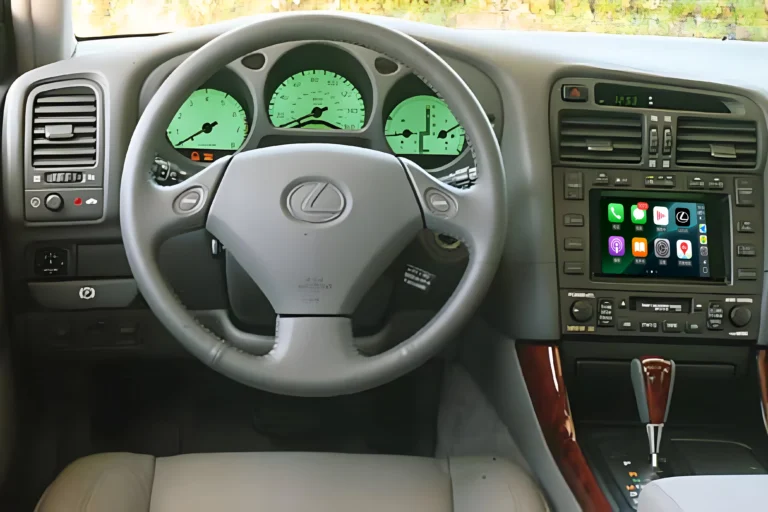
If your car’s factory system predates both of these ecosystems, the more useful question isn’t “which platform should I root for” — it’s “how do I get either one working at all.” AUVETO’s wireless integration kits support Apple CarPlay, Android Auto, and Huawei CarLife wirelessly, so whichever assistant philosophy you prefer — Siri’s steadiness or Gemini’s ambition — you’re covered, and you won’t be locked out as either platform keeps evolving.
Not sure if your specific model is supported? Send a photo of your center console to auveto@gmail.com, or message us on WhatsApp, for a free compatibility check.