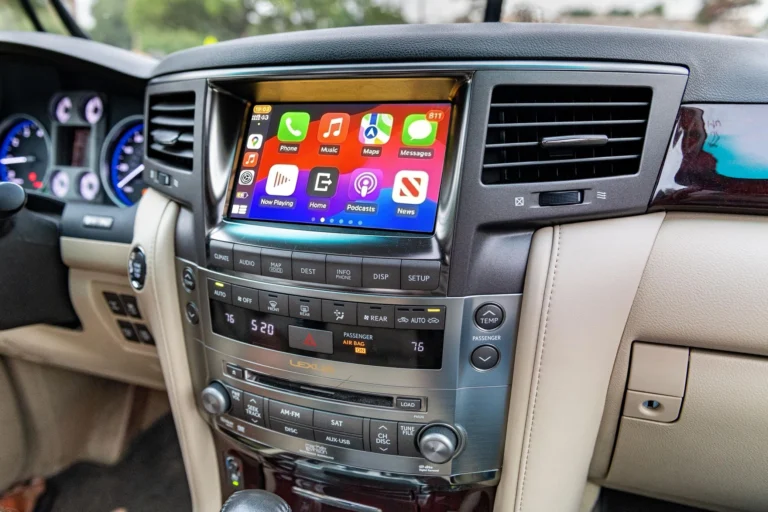
Ultimate Comparison: Wireless CarPlay vs. Factory Infotainment Systems
If your car’s factory infotainment system still technically works, upgrading to wireless CarPlay can feel like an unnecessary expense. It isn’t broken, so why fix it? But “still works” and “still serves you well” are two different standards, and the gap between them tends to widen every year your factory system goes without a meaningful update. Here’s an honest, category-by-category comparison.
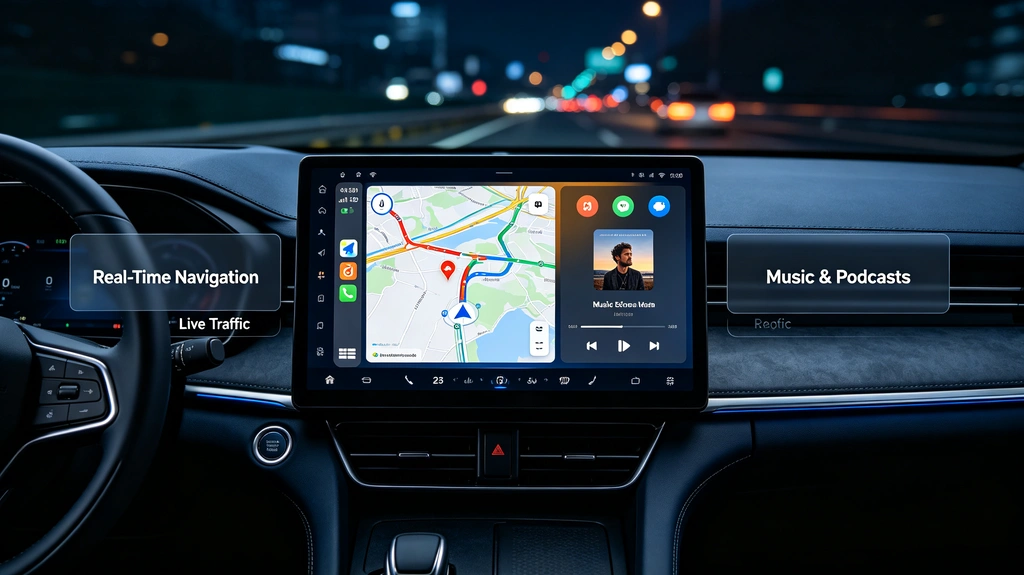
🗺️ Navigation
Factory infotainment: Built-in navigation on most cars from the 2012–2019 era runs on maps that were current when your car was built, updated rarely (if ever) after purchase, and often locked behind a paid dealer update process that many owners never bother with.
Wireless CarPlay: Runs Apple Maps or Google Maps directly from your phone, meaning real-time traffic, live rerouting, and map data that’s current because your phone’s data is current — not because you paid for a firmware update.
Winner: Wireless CarPlay, decisively. This is usually the single biggest reason owners retrofit in the first place.
🎵 Music & Streaming
Factory infotainment: Typically limited to USB/AUX playback, satellite radio, or a factory app suite that hasn’t been updated since your car left the factory — meaning newer services often aren’t supported at all.
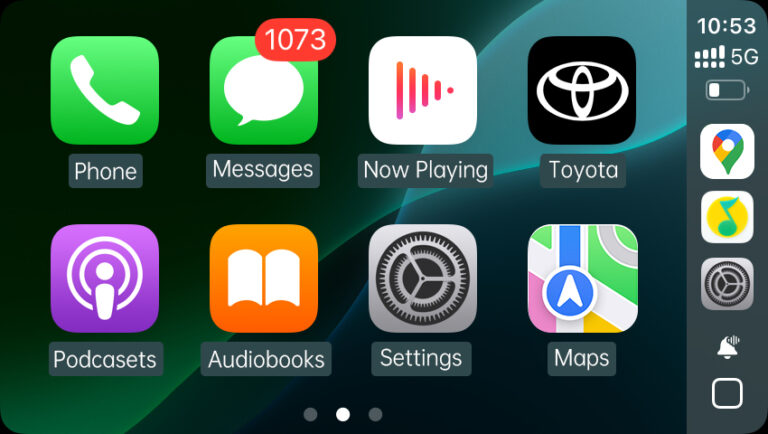
Wireless CarPlay: Full access to whatever your phone has installed — Spotify, Apple Music, podcasts, audiobooks — controlled through your factory screen and steering wheel buttons exactly as before.
Winner: Wireless CarPlay.
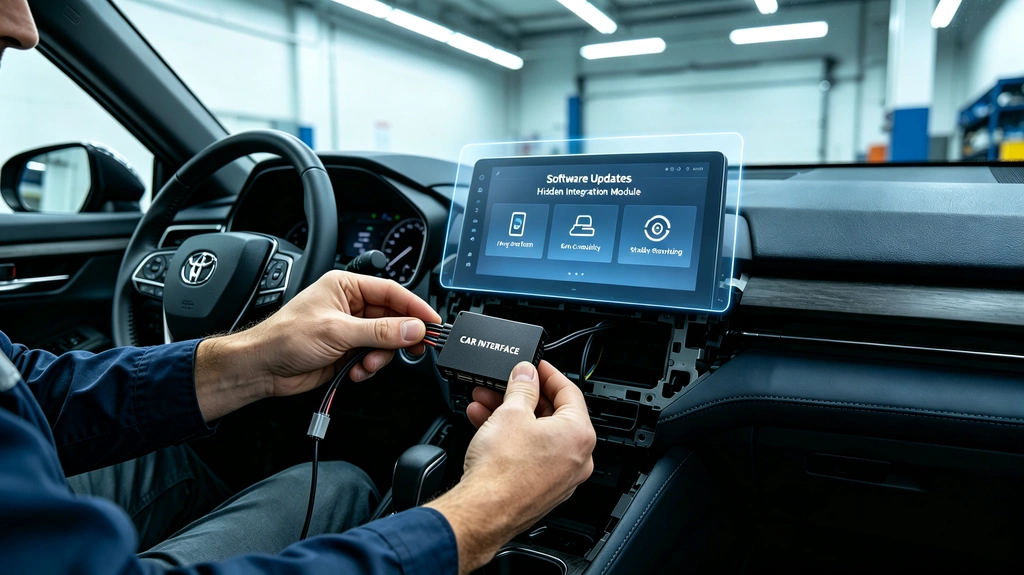
🔄 Software Updates
Factory infotainment: Frozen in time. Once your car left the factory, that’s largely the software experience you’re stuck with, aside from occasional dealer-only patches for known bugs.
Wireless CarPlay: Effectively inherits your phone’s update cycle. As iOS or Android evolves, so does the experience on your dashboard, without needing to touch your car’s own firmware.
Winner: Wireless CarPlay.
🛠️ Reliability & Long-Term Support
Factory infotainment: This is where factory systems genuinely win. A stock Toyota or Lexus head unit was built and tested by the manufacturer specifically for that vehicle, with a long track record of just working, year after year, with no pairing quirks or firmware surprises.
Wireless CarPlay (via a quality integration kit): Reliability here depends heavily on what you install. A properly matched, vehicle-specific integration module can be just as dependable day-to-day — but a mismatched or generic decoder box is where most of the horror stories about laggy screens and dropped connections come from.
Winner: Tie, conditional on the quality of what you install. Factory systems are reliable by default; a retrofit is only as reliable as the specific kit and installation behind it.
💰 Cost
Factory infotainment: Free — it’s already in your car. The “cost” is opportunity cost: missing out on years of navigation, app, and update improvements.
Wireless CarPlay: A one-time retrofit cost, ranging from roughly $90 for a generic decoder box to a few hundred dollars for a vehicle-matched integration kit, generally with no subscription or ongoing fee.
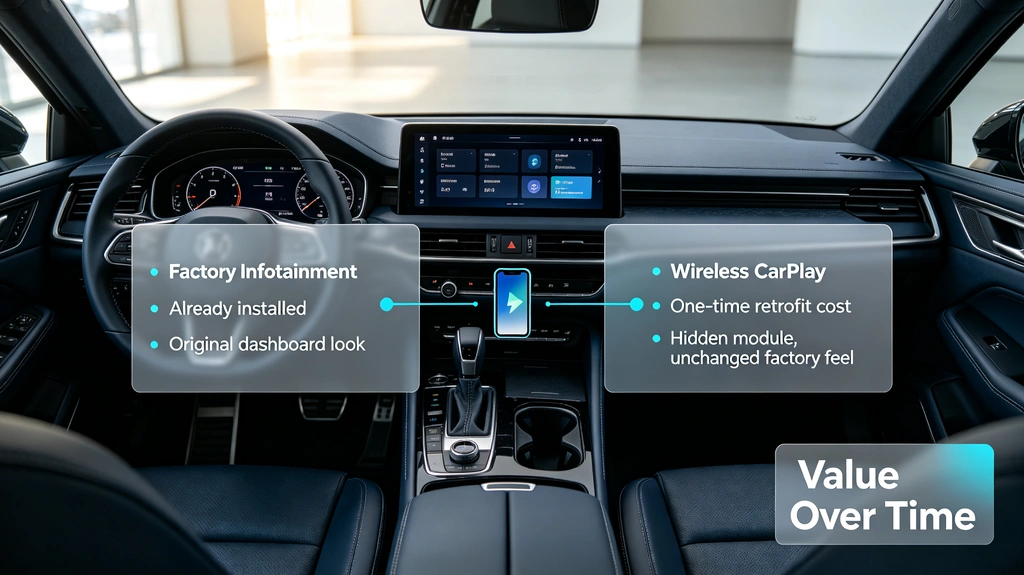
Winner: Factory infotainment on sticker price, wireless CarPlay on value over the life of the car.
🚗 Look, Feel & Resale Value
Factory infotainment: Keeps your dashboard exactly as it left the factory — a plus for buyers who care about originality or eventual resale to someone who values a stock interior.
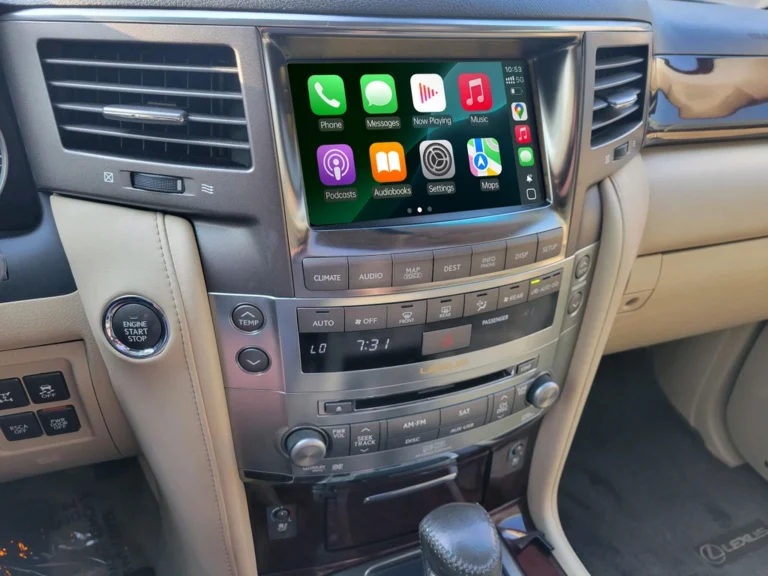
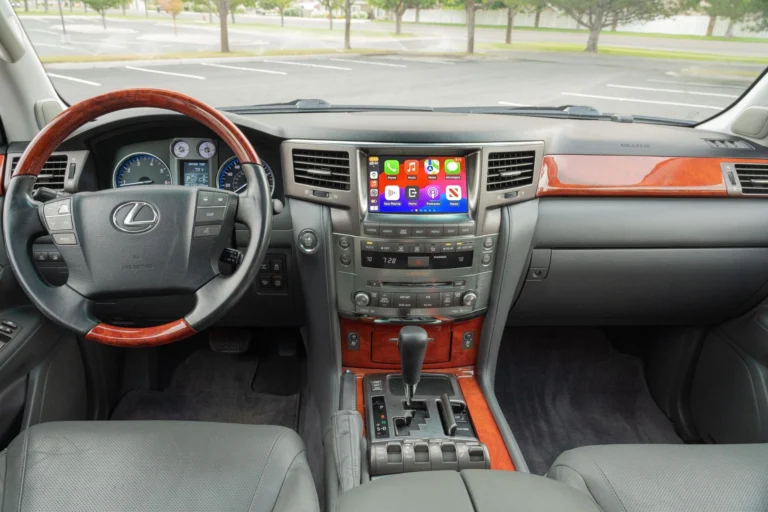
Wireless CarPlay via a hidden integration module: When done properly, this is a non-issue — the module sits behind the dash, invisible from the driver’s seat, with your factory screen and bezel completely unchanged. This is different from an aftermarket head unit swap, which does visibly alter the dash and can affect how “stock” the car looks to a future buyer.
Winner: Tie for a properly hidden integration kit; factory infotainment wins if you’re specifically comparing against a visible aftermarket head unit swap.
✅ Quick Comparison
| Category | Factory Infotainment | Wireless CarPlay |
|---|---|---|
| Navigation | Static, rarely updated | Real-time, always current |
| Music/streaming apps | Limited to factory suite | Full access to phone’s apps |
| Software updates | Frozen after purchase | Follows your phone’s OS |
| Reliability | Manufacturer-tested, stable | Stable if properly matched to your car |
| Upfront cost | Free (already installed) | One-time retrofit cost |
| Dashboard appearance | 100% original | Unchanged with a hidden module |
The Real Question Isn’t “Which Is Better” — It’s “What Am I Missing Right Now”
For most owners of a 2012–2020 Toyota or Lexus, the factory system was genuinely well-built for its time. The issue isn’t quality, it’s age: static maps, no modern app support, and no path to catch up without replacing hardware. Wireless CarPlay doesn’t fix your factory system — it adds a modern layer on top of it, while leaving everything that already worked well (steering wheel controls, climate display, your original screen) exactly as it was.
Getting the Best of Both
This is exactly what the AUVETO Smart Integration Kit is designed to do: keep your factory Toyota or Lexus infotainment system’s reliability and original look completely intact, while adding wireless CarPlay and Android Auto behind the scenes through a hidden module — not a visible screen swap, not a generic decoder box guessing at your car’s specs.
Curious whether it’s worth it for your specific model? Send a photo of your center console to auveto@gmail.com or message us on WhatsApp, and we’ll walk you through exactly what you’d gain.