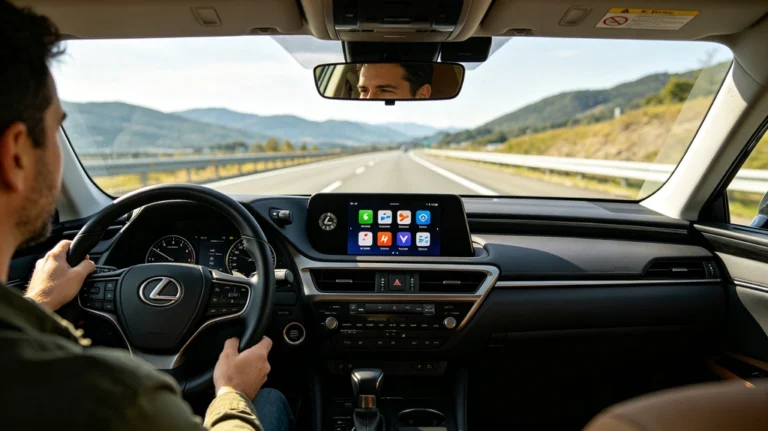
The Future of In-Car Connectivity: Wireless Android Auto & CarPlay
A decade ago, “connected car” meant a USB cable snaking across your center console and a phone propped against the cup holder. Today, that picture looks outdated. In-car connectivity has quietly become one of the fastest-moving corners of the automotive world — and the next chapter is being written in wireless.
If you drive a car that still asks you to plug in every single time, it’s worth understanding where this technology is headed, and why upgrading to wireless CarPlay or Android Auto is no longer a luxury reserved for the newest models on the lot.
From Wired to Wireless: A Short History
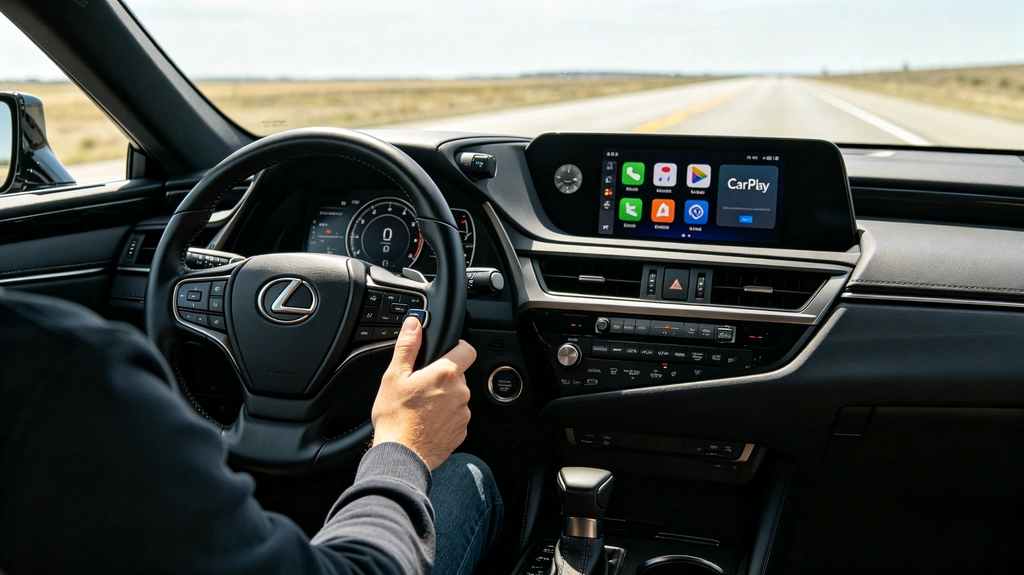
Apple CarPlay launched in 2014, followed shortly by Android Auto. Both were revolutionary — they let your phone’s apps, maps, and voice assistant take over the car’s built-in screen. But for years, the experience depended entirely on a cable. Forget your cord, and you were back to squinting at your phone in your lap.
Wireless CarPlay and Android Auto changed that equation. The moment you start the engine, your phone connects automatically over Wi-Fi and Bluetooth — no cable, no fumbling, no forgotten cords left at home. It’s a small change in mechanics that makes a large difference in daily habit: connectivity stops being a task and becomes invisible, which is exactly what good technology should feel like.
Why Wireless Is Becoming the Standard
A few forces are pushing wireless connectivity from “nice to have” to “expected”:
- Convenience compounds daily. Most people get in and out of their car multiple times a day. Removing one manual step — plugging in a cable — adds up to real time saved and real friction removed.
- Smartphones are the primary computer now. Navigation, messaging, music, and voice assistants all live on the phone. Cars are increasingly just a large, hands-free display for that experience, and wireless syncing keeps the two in step automatically.
- Safety expectations are rising. Hands-free calling, voice dictation, and steering-wheel control aren’t extras anymore — they’re baseline expectations, and wireless systems make them available the instant the engine starts.
- New cars ship with it standard. As automakers increasingly build wireless CarPlay and Android Auto into new lineups, driver expectations shift — and owners of older vehicles start looking for a way to catch up without buying a new car.
The Catch for Older Toyota and Lexus Owners
Here’s where things get complicated. If you drive a newer vehicle, wireless connectivity may already be built in. But millions of well-built, mechanically sound Toyota and Lexus vehicles — cars with engines and transmissions built to last hundreds of thousands of miles — were designed before this technology existed. Think classic Toyota Crown models, JZX110 Mark II and Verossa VR25, Lexus GS300/GS430, and older Lexus LX generations.
The factory infotainment systems in these cars are often clean, functional, and part of the car’s original character. The problem isn’t the car — it’s that the software inside the head unit simply predates smartphone integration. Historically, owners had two unappealing options:
- Rip out the factory head unit and screen, sacrificing the OEM look, climate controls, and steering wheel button functionality — often for thousands of dollars.
- Live without it, plugging in a phone mount and using a wired connection, or simply going without smart features at all.
Neither option feels like a real upgrade. Fortunately, there’s a third path.
Retrofitting Wireless Connectivity Without Losing the Factory Feel
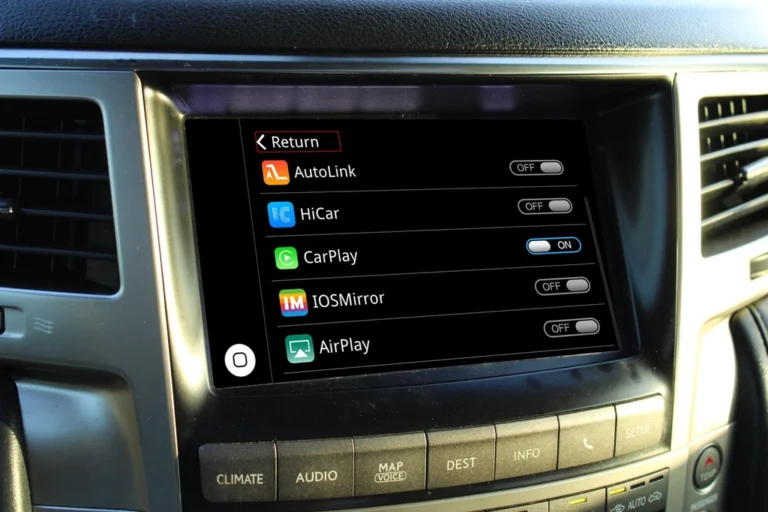
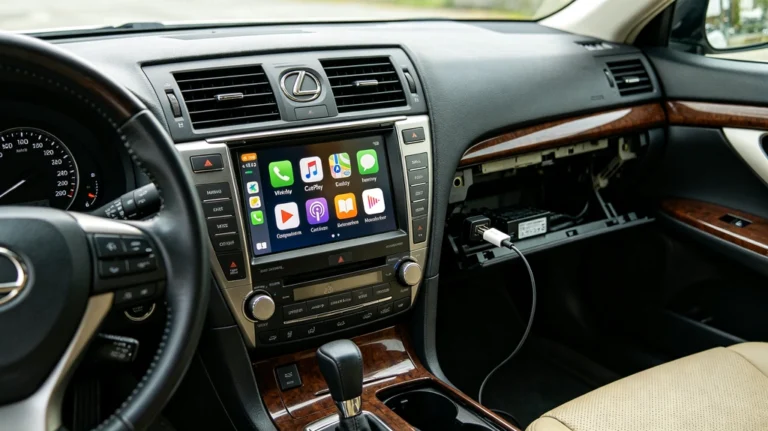
This is exactly the gap that plug-and-play integration modules are built to close. Instead of replacing your factory screen, a properly engineered interface module connects directly behind it — tapping into the existing head unit rather than fighting it.
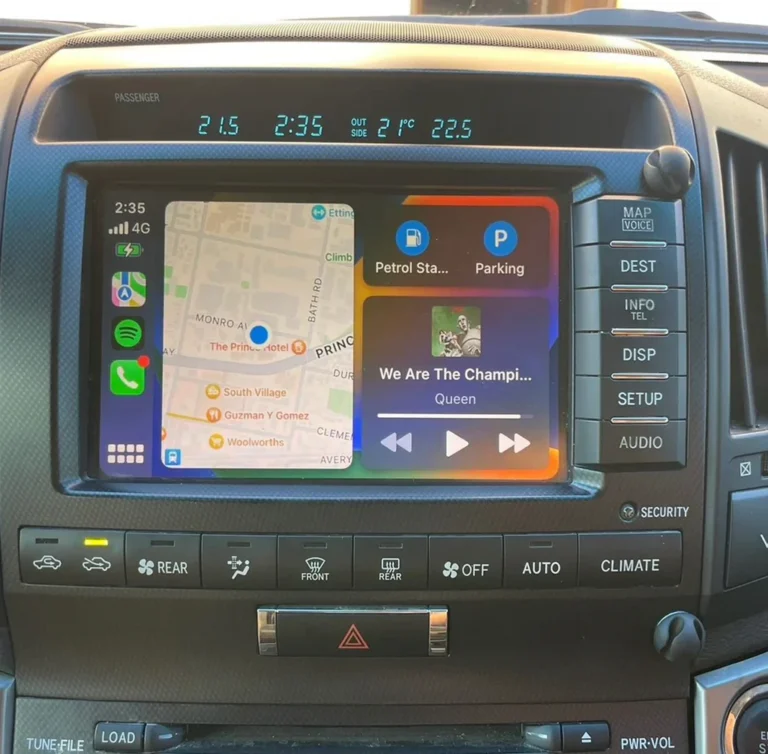
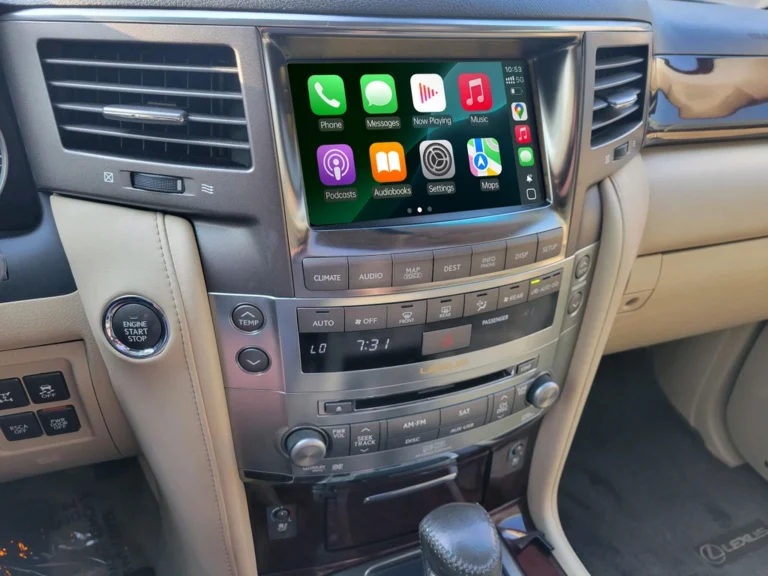
The result is a wireless CarPlay and Android Auto experience that lives entirely inside the original dashboard:
- Your factory screen, steering wheel buttons, and climate controls keep working exactly as before — nothing is cut, rewired, or replaced.
- Your phone connects automatically the moment you start the car, over Wi-Fi and Bluetooth, with no cable required.
- Navigation, messaging, and calls become hands-free, with Siri or Google Assistant triggered right from the original steering wheel talk button.
- Music streams through your existing factory sound system — including premium setups like Mark Levinson audio — without added hiss or compressed sound.
- Installation typically takes 1–2 hours, whether done yourself with a video guide or handled by a local shop.
For owners of models like the Toyota Crown (GRS180 series, S170/JZS171, S200, and S220 generations), the Mark II/JZX110 Verossa VR25, Lexus GS300/GS430, or older Lexus LX vehicles, this is the difference between an outdated dashboard and a genuinely modern driving experience — without giving up what made the car special in the first place.
What to Look For in a Wireless Integration Kit
Not all retrofit solutions are built equally. As this category grows, a few things separate a good upgrade from a frustrating one:
- True OEM integration, not a bolt-on replacement screen that changes your dashboard’s look and feel
- Stable, dedicated Bluetooth and Wi-Fi hardware for a fast, drop-free connection rather than laggy re-pairing every drive
- Retention of factory controls — steering wheel buttons, climate knobs, and camera systems should keep working exactly as they did from the factory
- Real installation support — clear manuals, video guides, and access to technical help if something doesn’t fit right the first time
- Model-specific engineering, since infotainment wiring and screen behavior vary significantly between generations and trims
Where This Technology Is Headed Next
Looking ahead, in-car connectivity is likely to keep converging around a few themes: faster and more stable wireless protocols, tighter integration with voice assistants, and continued software updates delivered over the air rather than through dealership visits. For classic and older vehicles, the retrofit market will likely keep maturing too — meaning more vehicles that were never designed with smartphones in mind will get a legitimate path to modern connectivity, without sacrificing the OEM experience that owners actually love about their cars.
The bottom line: your car’s engine, chassis, and reliability haven’t gone anywhere — it’s just the dashboard that’s stuck in the past. Wireless CarPlay and Android Auto retrofits are how classic Toyota and Lexus vehicles catch up to 2026 without losing what made them worth keeping in the first place.
Curious whether your specific model is supported? Browse the AUVETO Wireless CarPlay & Android Auto Retrofit Collection to find the exact kit engineered for your Toyota or Lexus, or reach out to the team directly to confirm compatibility before you buy.